All Categories
Featured


Senior Leadership Strategies for Driving Agency Efficiency
Table of Contents
Automation and Efficiency Enhancements Automation can dramatically increase both marketing and sales performance, maximizing groups to concentrate on high-impact activities. Marketing Operations plays an important role in carrying out and optimising automation tools, such as CRM combinations, automated email marketing workflows, and data syncing. By getting rid of repeated jobs, Marketing Operations enables teams to be more productive and responsive.
When lead data is tidy and precise, leads are correctly assigned, and automation supports sales outreach, sales teams can invest more time closing offers and less time on administrative tasks. By minimizing friction in the sales process, Marketing Operations assists improve win rates, reduce the time to close, and ultimately drive higher income.
Here I mention a few: Missed Earnings Opportunities: Without efficient lead scoring, leads might go unqualified or stay stuck in the pipeline, resulting in missed out on earnings opportunities. Inefficient Processes: A lack of automation and optimised workflows can result in time-wasting manual jobs, minimizing the productivity of both sales and marketing teams.
[target1:anchor_exact1]Will Leaner Systems Grow Your Marketing Agency?
Inability to Scale: For high-growth companies, scaling without strong Marketing Operations is extremely tough. Reliable Marketing Operations produces the facilities that permits companies to grow while preserving efficiency.
Here's how to frame the case: Highlight the ROI: Emphasise that a well-funded Marketing Operations team can increase sales effectiveness, reduce the sales cycle, and enhance project effectivenessall leading to higher ROI on marketing and sales investments. Quantify Possible Gains: Usage metrics like increased lead conversion rates, minimized time-to-close, and greater sales velocity to quantify the effect of an optimised Marketing Operations function.
Address Scaling Needs: For business with enthusiastic development objectives, Marketing Operations offers the scalable facilities to satisfy profits targets, manage information, and coordinate campaigns across regions. For any organisation on a growth course, investing in Marketing Operations drives performance, supports sales goals, and maximises the impact of every marketing effort.
An Essential 2026 Blueprint for Marketing Leaders
Investing in this team isn't simply an expense, it's a strategic decision that aligns with organization goals and empowers business to grow smarter and quicker. For tech leaders, Marketing Operations might just be the secret weapon to transforming both marketing and sales into quantifiable, scalable success.
Bakh, E. (2023) What Is Customer Support Benchmarking & Why Does It Matter? Fullview. Handled November 2023 from Bhutta,., & Huq, F. (1999 ). Benchmarking Finest Practices: An Integrated Method. Benchmarking: An International Journal, 6, 254-268. doi:10.1108/ 14635779910289261 Boxwell, R. J. (1994 ). Benchmarking for Competitive Benefit. New York City: McGraw-Hill.
Benchmarking: The Browse for Industry Best Practices that Lead to Superior Efficiency (First edition). Harper, M. (2019) What are the Four Types of Benchmarking? Global Survey on Organization Improvement and Benchmarking.
How Process Excellence Is Critical for Agency Success
( 2009 ). The Benchmarking Book: A How-to-Guide to Best Practice for Supervisors and Professionals. London and New York City: Routledge Taylor & Francis Group. Tucker, F. G., Zivan, S. M., & Camp, R. C. (1987, January). How to Determine Yourself Against the very best. Harvard Organization Evaluation. Drawn from: Valdes-Perez, R.
Smart Benchmarking Starts with Understanding Whom to Compare Yourself To. Harvard Business Evaluation. Taken on August 18, 2024 from Zairi, M. (1996 ). Efficient benchmarking: gaining from the best. London; New York City: Chapman & Hall.,. (2022 ). Handled December 5, 2022 from.
Operational Excellence Foundation: Success in marketing operations requires mastering four core pillars, technology, information, group functions, and optimised workflowsall working together to deliver measurable outcomes. Strategic Innovation Positioning: Choosing and incorporating the right marketing technology stack boosts automation capabilities, ensures data precision, and supports long-term scalability. Clear Function Definition: Distinct group functions allow responsibility, foster cross-functional collaboration, and streamline campaign execution.
Evaluating Traditional Workflows Versus Modern Operations Blueprints
Centralised Data Management: Cohesive information techniques allow actionable analytics that drive more intelligent decision-making and improved project efficiency. Continuous Improvement Culture: Routine evaluation and improvement of marketing operations processes make sure flexibility to emerging difficulties and innovations. Automation Execution: Strategic automation minimizes manual tasks, creating more time for high-value tactical efforts and development.
Failing to implement effective operations results in predictable challenges: Wasted resources on disconnected initiatives Misaligned objectives across groups Missed market chances due to slow execution Failure to measure real marketing effect Problem scaling effective projects By contrast, properly designed marketing operations optimise processes, integrate technological abilities, and empower groups to make smarter, much faster decisions that scale with company growth.
Developing world-class marketing operations requires addressing four important pillars: procedures, technology, information, and people. When these components work in harmony, they enable smooth campaign execution, informative measurement, and continuous optimisation. For any marketing group, distinct processes form the structure for sustainable functional effectiveness. Even with advanced tools or top-tier skill, a lack of standardisation develops friction points that weaken performance.
[target2:anchor_exact1]Automation-Driven Improvements: Eliminate repeated tasks through marketing automation platforms such as HubSpot, Marketo or Pardot. According to Forrester Research, marketing automation reduces marketing overhead by 12.2% while increasing sales efficiency by 14.5%.
Performance Measurement Systems: Develop clear KPIs for each procedure to make it possible for ongoing evaluation and refinement. Case Research Study: Process Change at Vodafone UK Vodafone UK restructured their campaign development process by implementing standardised workflows and approval systems. This change minimized project launch time by 40% and increased campaign compliance from 76% to 98%, showing how process standardisation directly affects organization outcomes.
Optimizing Business Profitability Via Better Consulting
Modern marketing is naturally technology-dependent. With thousands of tools offered, organisations need not only to adopt innovative solutions however also to integrate them in positioning with their specific operational needs. A carefully curated technology stack addresses core business functions while staying adaptable to changing needs. When developing your stack, concentrate on platforms that enhance performance and deepen insights: Project Management: Systems such as Salesforce Marketing Cloud, Oracle Eloqua, and HubSpot streamline CRM integration and enable omnichannel project coordination.
Project Management: Solutions like Asana, or ClickUp coordinate team activities and track deliverables. Detached tools lead to fragmented data and prevent cooperation.
Addressing this combination obstacle yields substantial advantages, as demonstrated by business like Dell, where integrating their CRM system with other marketing tools resulted in an 18% enhancement in lead-conversion rates through more targeted, data-informed projects. Maximising your tech stack needs consistent training initiatives focused on skill-building and feature optimisation. Setting adoption metrics tied to business results increases responsibility and ROI from technological investments.

Latest Posts
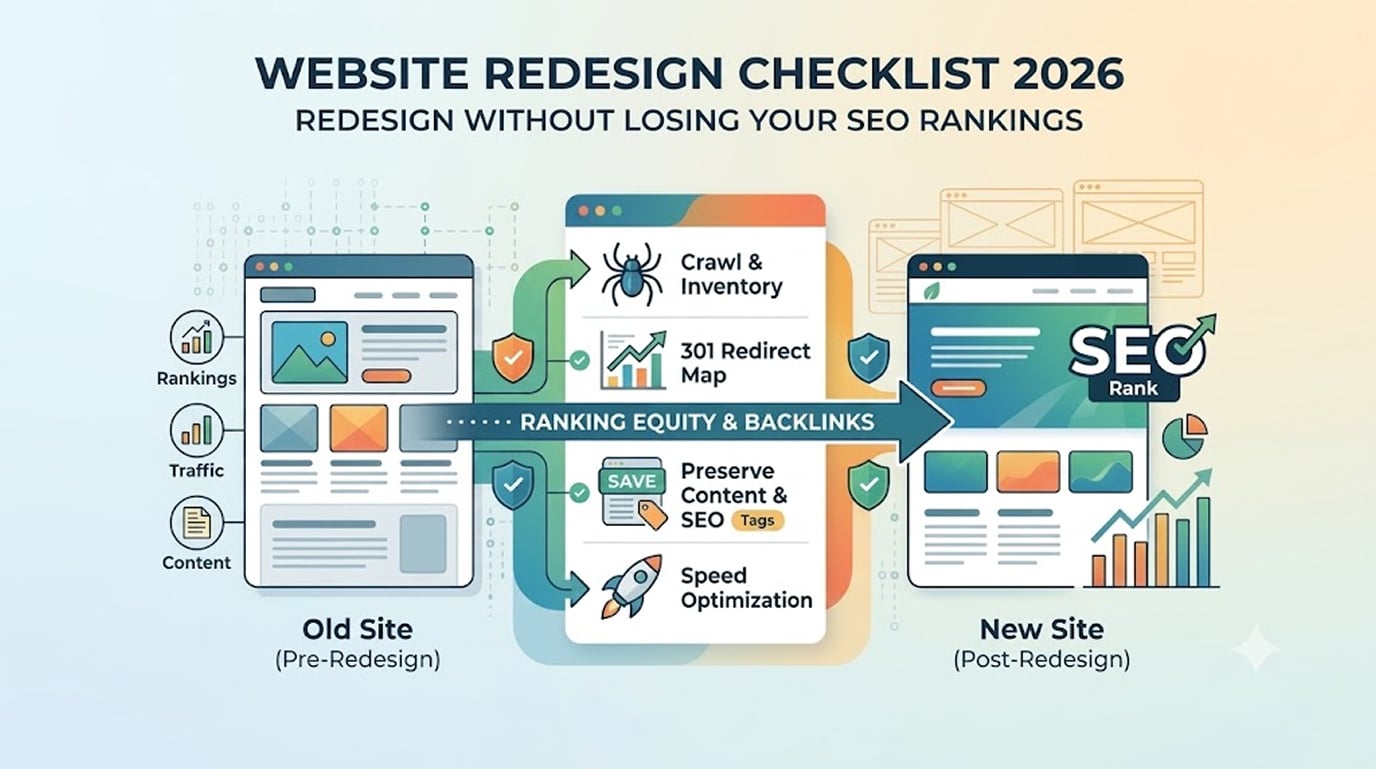
Improving Small Business Search Rankings for 2026
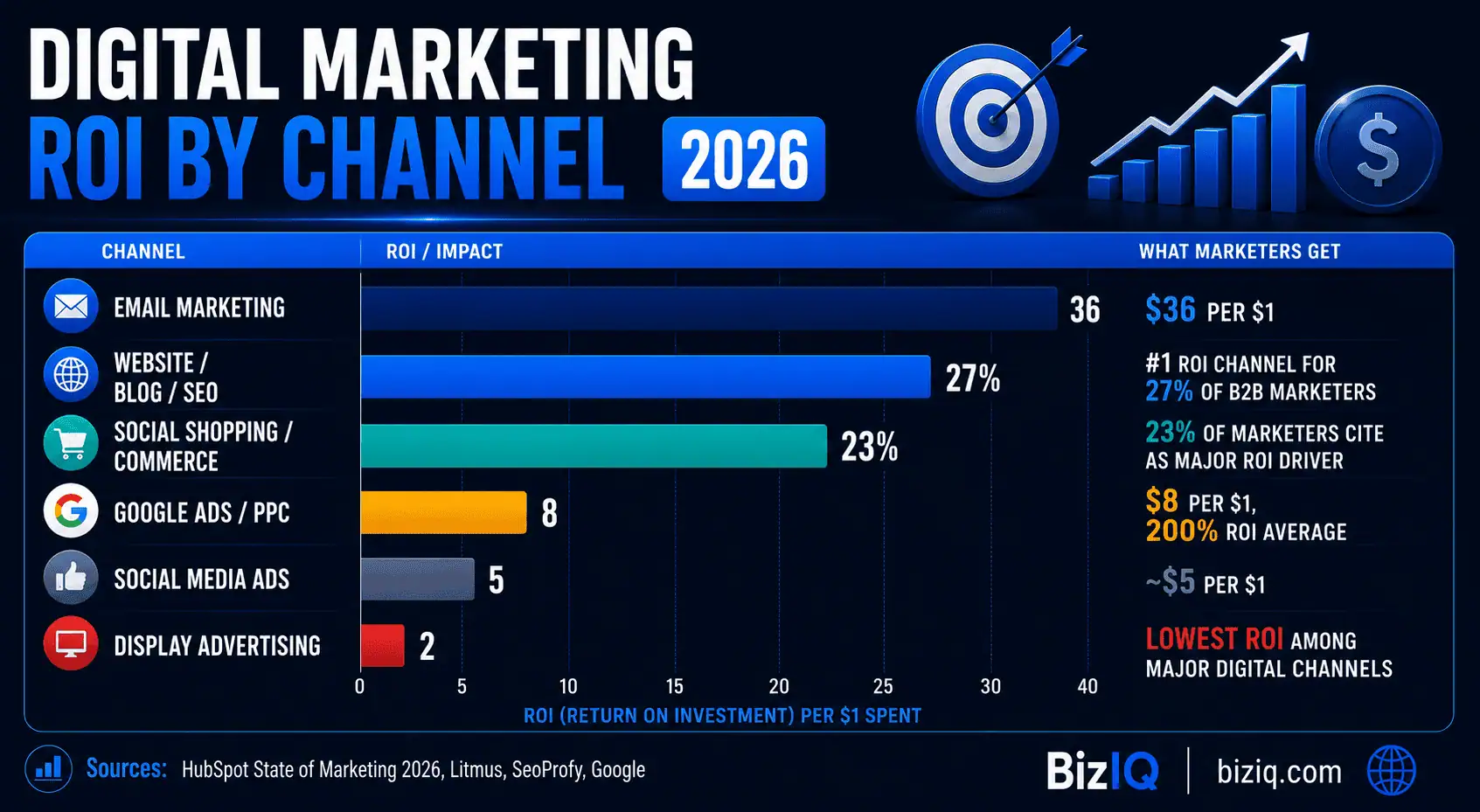
Actionable Marketing Solutions Using Verified Data

How to Expand Your Business Within the US