All Categories
Featured


How to Expand Your Business Within the US
Table of Contents
Revenue can conceal bad margins, sloppy operations, weak retention, and overall founder burnout. Plain and simple, a successful company produces worth and keeps doing it without breaking the founder at the same time. I use a basic scorecard: DimensionWhat It MeansExample MetricRevenueThe business creates demandMRR, annual revenueProfitGrowth is healthyGross margin, net marginCash FlowThe company can survive volatilityRunway, complimentary cash flowCustomer ValueCustomers remain and referRetention, repeat purchasesSimplicityThe business is simple to operateNumber of deals, cycle timeCompetitive AdvantageHarder to copyBrand, network effects, processFounder FreedomLess founder dependenceDelegated decisionsImpactMarket influenceShare, tactical valueIn short, the difference between looking effective and being effective is this: one is optics, the other is toughness.
My point is this: the hidden pattern across numerous start-up success stories is not hustle alone. We recently completed the first model of our brand book for a brand-new AI company we've been constructing.
That's an aggressive vision? One of the things that I noticed is that a larger vision only works if the underlying worth is truly much better than the status quo. For the past month and a half to two months, we focused heavily on building the company itself and assembling the team.
Analyzing Campaign Benchmarks Within American Sectors
That became one of the principles of the business. We started determining the strength of the concept in a really useful method: How rapidly do top-level individuals respond? How prepared are they to help?
He responded right away. I delicately revealed the beta variation of what I constructed to my partner, who was currently running a multimillion-dollar company. The moment he saw it, he chose he was quitting his company, going all in, and purchasing this. We also drew in an evaluation specialist who has actually dealt with some of the most popular tech and AI company evaluations in Silicon Valley.
And it wasn't simply interest. Clients currently using material marketing were saving, depending on whether they were doing it internally and what industry they were in, with legal being greater due to the fact that it's specialized. The much better the offer, the less you need to press.
[target1:anchor_exact1]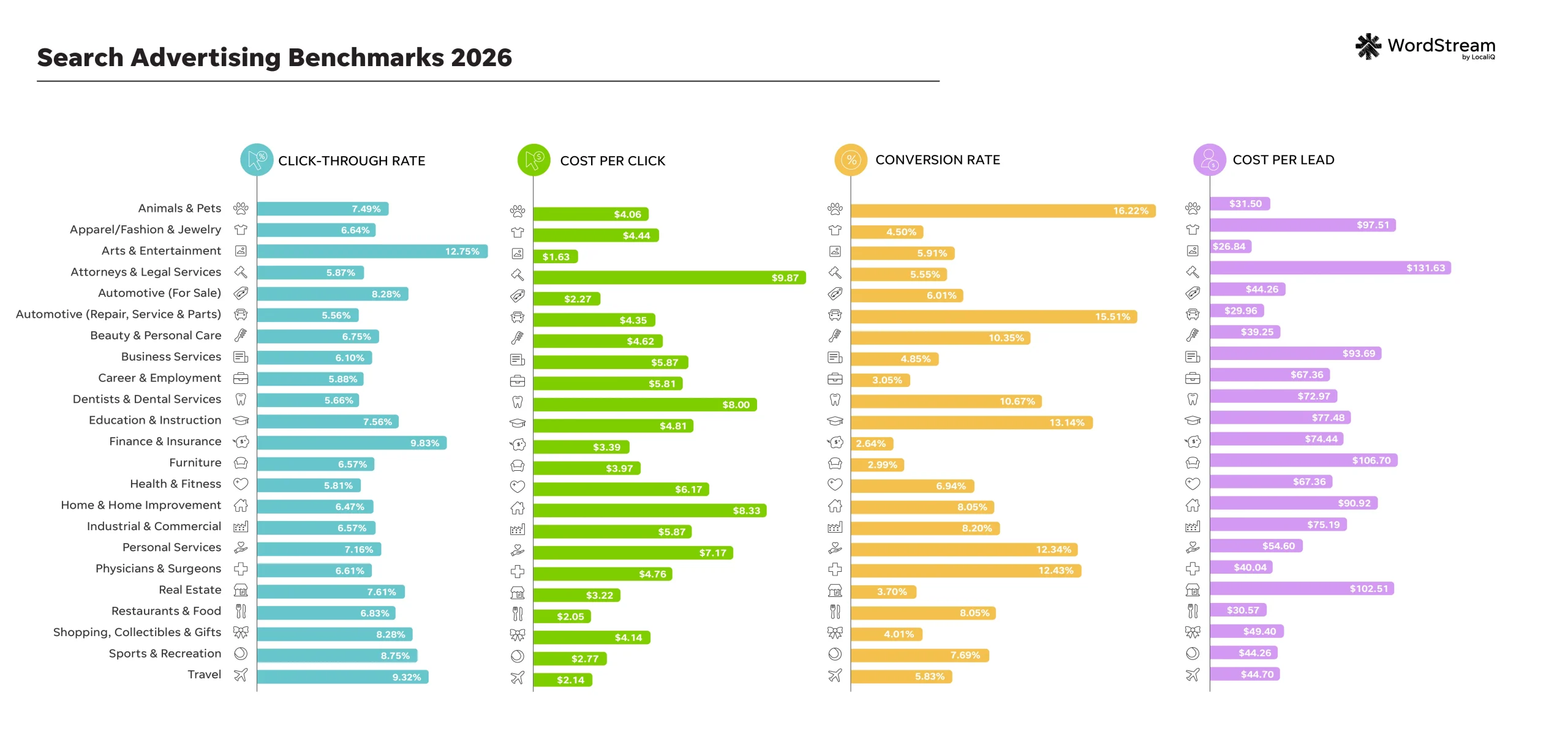
In brief, a big enough vision becomes magnetic when the energy delta is genuine. A good concept is not instantly an excellent company. Creators miss this all the time. Utilize these 4 filters: FilterKey QuestionWhy It MattersPainIs the issue urgent or pricey? Seriousness drives actionBuyerWho actually pays? Users are not always buyersSimplicityCan the worth be described quickly? Clear value improves adoptionAdvantageWhy are you better? Distinction safeguards growthUse this one-sentence test: We assist resolve by providing so they can achieve without.If you can't explain the worth clearly, the marketplace most likely won't comprehend it either.
How Advanced Analytics Reshapes Marketing ROI
It does prove you have a scalable service, healthy margins, or long-lasting retention. A lot of founders mistake early interest for an ended up business design.
There are two primary types of simplification: TypeWhat It MeansExamplePrice simplificationMake it more affordable and more accessibleWarby Parker, IKEAProposition simplificationMake it simpler and more intuitiveCanva, Dropbox, CalendlyCustomers prefer fewer decisions. Teams execute much better with fewer concerns. Marketing performs better when the message is apparent. Sales gets easier when purchasers can comprehend the outcome in seconds.
It is often the fastest course to scale., which consist of a one-page template you can fill in this week.
The lesson is simple: do not just construct a powerful product; develop an easy starting point. If your market has hesitation, trust style is part of the product.
[target2:anchor_exact1]Dull issues are often excellent organizations. Shopify made e-commerce available for individuals who desired to offer, not manage infrastructure. The lesson is that clients buy outcomes, not tools. PatternWhat It Looks LikeExampleClear painSolves a specific frustrationCalendlySimplified propositionEasy to understandCanvaReduced frictionRemoves confusion or delayAirbnbFocused wedgeStarts narrowShopifyBuilt-in development loopReferrals, use, network effectsDropboxStrong positioningClear point of viewBasecampRepeatable systemsScales beyond the founderShopifyTrustReduces viewed riskWarby ParkerThe takeaway is that successful entrepreneurs eliminate sound.
Utilizing Competitive Market Research for Scalable Growth
They determine the crucial few and build around them. Business owners become effective by following a repeatable procedure: Determine an agonizing client problemValidate demand before overbuildingCreate a basic offerFind the finest consumer segmentBuild a repeatable development engineManage cash circulation carefullySimplify operationsDelegate and documentScale what worksExpand impact over timeTwo faster ways for the rest: for the frameworks behind each step, see the a bottleneck-based reading list that maps each phase to one book.

And if capital is the constraint, steps one through 4 don't need any here's exactly by confirming with 20 consumer discussions initially. Here are the errors I see most typically:(I break down all twelve and how to avoid each one in this complete guide to the common mistakes business owners make.)Building before validatingTargeting too many client typesExpanding uses too earlyConfusing cost-cutting with simplificationUsing random marketing tacticsIgnoring money flowBecoming the bottleneckOne of the important things that I discovered in my own work is that whatever gets much easier when business is strong enough to draw in great individuals.
Sales gets easier. Partnerships get easier. Culture gets simpler. That just takes place when the core deal is strong enough. Capital should have unique attention: (JPMorgan Chase Institute) which is why disciplined founders deal with runway as a survival metric, not an accounting detail. For the 15 specific moves that repair this from a 13-week projection to quicker collections and stronger margins see these methods to enhance money flow.
And if your numbers only tell you what already took place, this guide to demonstrate how to turn them into a positive choice system. Interview 10 to 20 consumers or prospectsDefine the most urgent problemIdentify the very best consumer segmentSimplify your offerReview cash flowChoose one core growth metric Introduce or improve a landing pageTest one core offerRun a pilot or pre-saleMeasure objections and conversionBuild a basic onboarding processChoose one acquisition channel Double down on the best-performing channelDocument the sales processCreate a KPI dashboardDelegate one recurring creator taskImprove retentionBuild a recommendation or collaboration loopIn short, momentum comes from focus, not from doing more.

Latest Posts
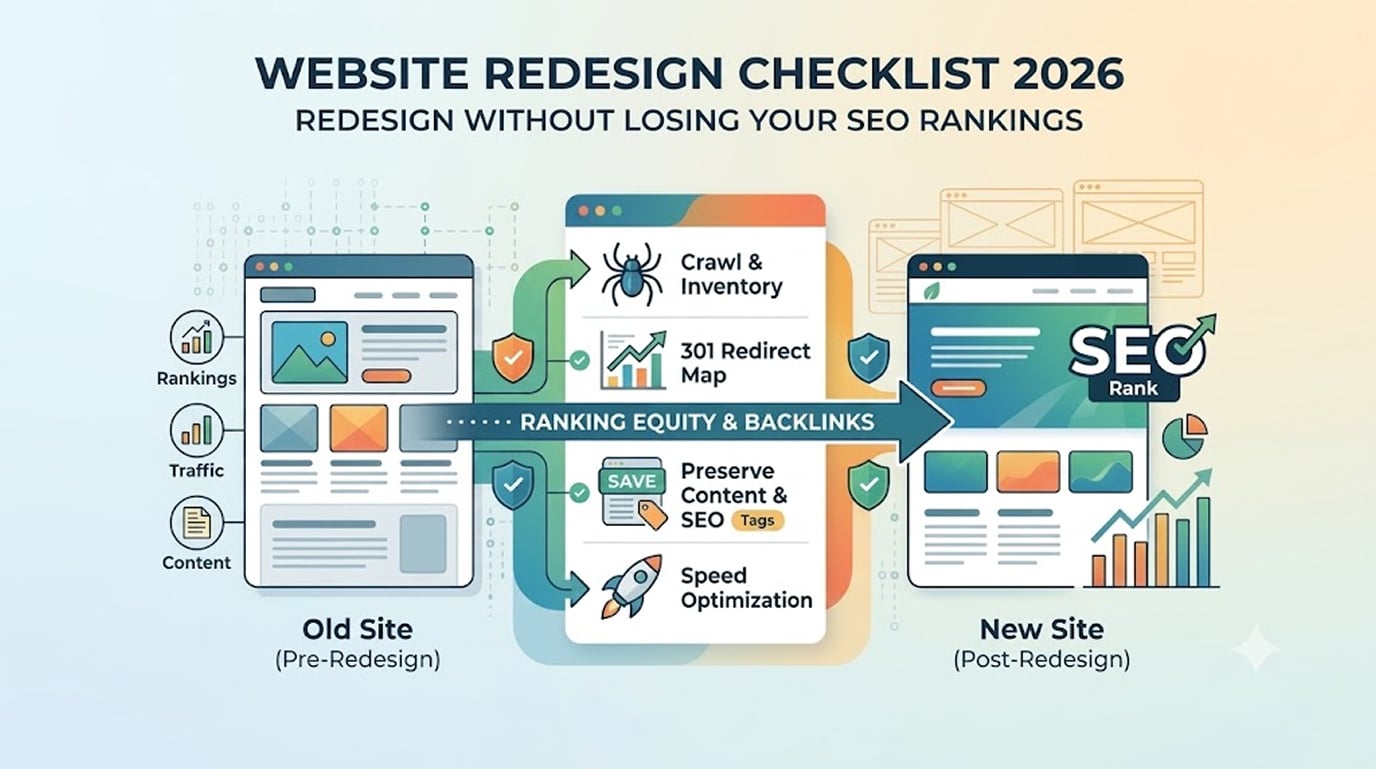
Improving Small Business Search Rankings for 2026

Actionable Marketing Solutions Using Verified Data
How to Expand Your Business Within the US